Camera, wearable or manual log: which kind of baby sleep tracker fits you?
Cradle publishes this comparison. App details checked on October 23, 2026.
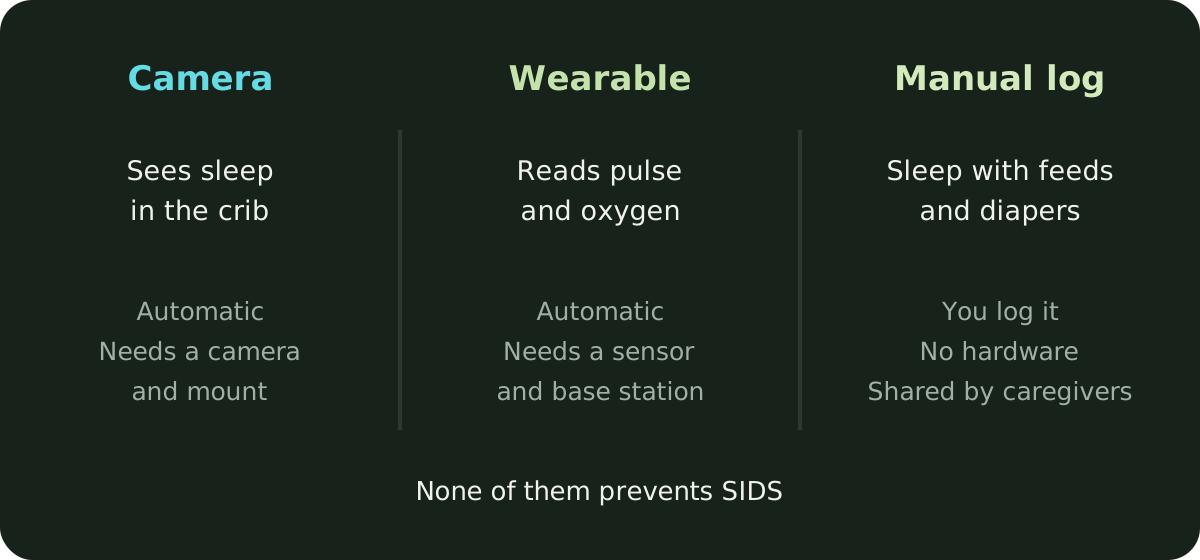
There are three ways to track a baby’s sleep. A camera monitor such as Nanit works out sleep from video. A wearable such as the Owlet Dream Sock reads pulse rate and oxygen levels from a sensor on the baby’s foot. A manual log such as Cradle records whatever you enter, so sleep sits alongside feeds and diapers. Cameras and wearables measure things for you but need hardware in the nursery. A manual log needs no hardware but only knows what someone records.
None of them can prevent sudden infant death, as both the American Academy of Pediatrics (AAP) and the US Food and Drug Administration (FDA) state. We publish Cradle, and every product detail below comes from that company’s own pages on the date shown above.
What does each kind of tracker record?
| Camera (Nanit) | Wearable (Owlet Dream Sock) | Manual log (Cradle) | |
|---|---|---|---|
| How sleep is captured | Automatically, from video, by Nanit’s algorithm | Automatically, from a foot sensor; reports wakings and sleep trends | Logged by you or another caregiver |
| What it records | Bedtime, wake time, time to fall asleep, time asleep, parent visits, sleep efficiency; more with paid plans | Live pulse rate and oxygen saturation, wakings and sleep trends | Naps, night sleep and wake-ups alongside feeds, diapers, pumping, solids and more |
| Hardware | Camera with a wall mount or floor stand for sleep analysis | Sensor, fabric socks and a base station | None beyond your iPhone or iPad; Apple Watch optional |
| Ongoing cost | Sleep analysis plans billed annually; longer history costs more | Owlet says no subscription is needed for live readings and sleep trends; Owlet360 is an optional yearly add-on | The app needs a subscription |
| Medical status, as the company states it | “Not a medical device” | FDA De Novo clearance as an over-the-counter pulse oximeter for healthy infants aged 1 to 18 months, 6 to 30 lb | Not a medical device; nap windows are suggestions |
How does a camera monitor track sleep?
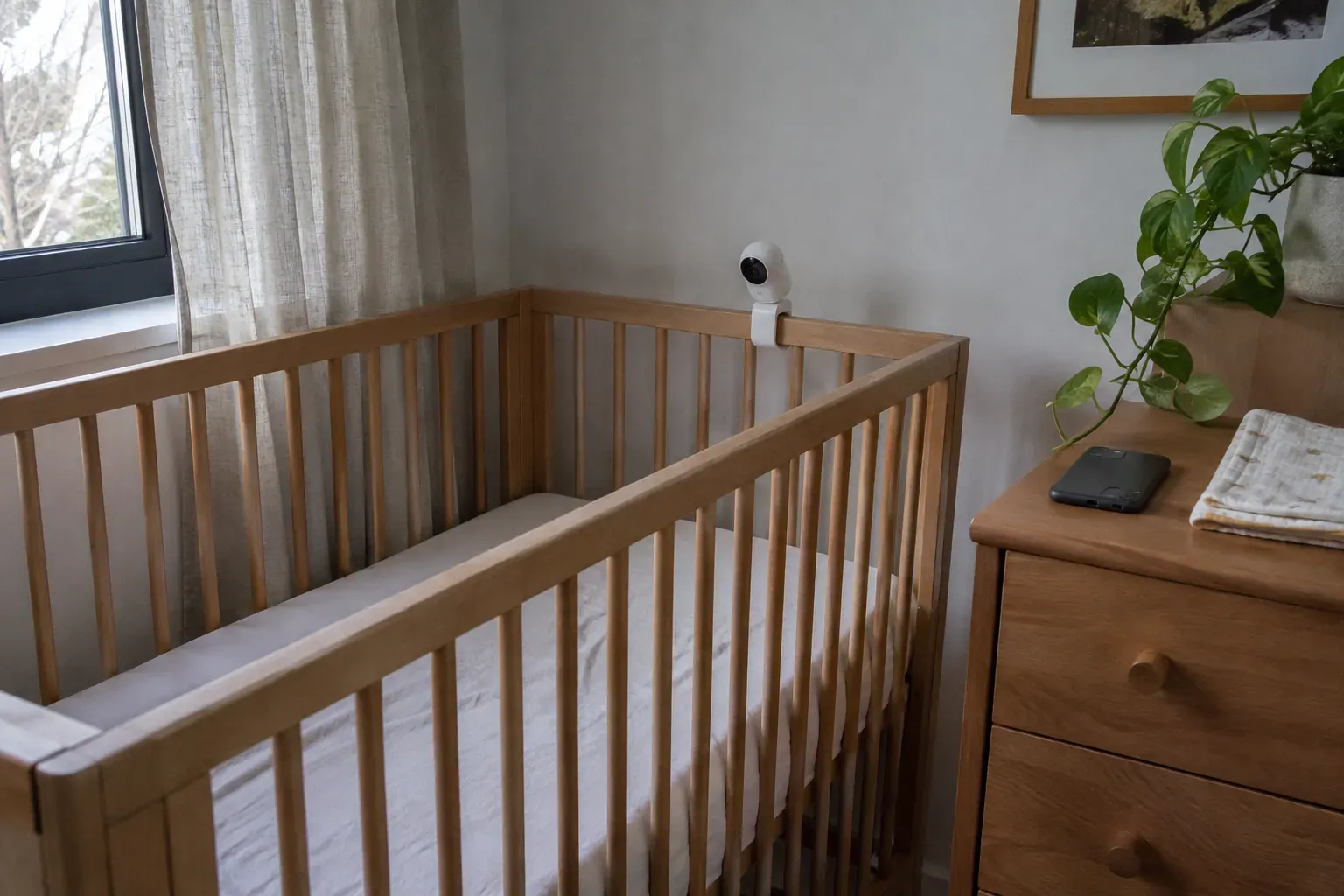
Nanit’s camera watches the crib and its algorithm calculates sleep from the video. Its help centre lists bedtime, wake time, time to fall asleep, time asleep, number of parent visits and sleep efficiency. Paid tiers add body and head position and an activity score.
Sleep analysis needs the camera on a wall mount or floor stand. Nanit’s memberships page lists three plans, all billed annually, that differ mainly in how much sleep history you can look back on: up to 2 days, 30 days, or unlimited. A plan isn’t required to use the camera as a video monitor.
Nanit’s own safety page says plainly that it “is not a medical device” and is not intended to diagnose or prevent any disease, including SIDS. It also warns that false alarms and missed alerts can happen.
Best for families who want a video monitor anyway and would like sleep data without logging anything.
How does a wearable sensor track sleep?
The Owlet Dream Sock is a sensor worn on the baby’s foot. It reads pulse rate and oxygen saturation and sends alerts through a base station when readings move outside preset ranges. Owlet says it has FDA De Novo clearance as an over-the-counter pulse oximeter, for healthy infants aged 1 to 18 months and weighing 6 to 30 lb. You need the sensor kit, a smartphone and 2.4 GHz Wi-Fi.
Owlet says live readings, history, notifications and sleep trends don’t need a subscription, and sells Owlet360 as an optional yearly add-on with daily reports and comparisons with babies of a similar age. Owlet also states the sock is not intended to diagnose, treat or cure any condition, including SIDS.
Best for parents who want live pulse and oxygen readings, understand their limits, and have talked it through with their pediatrician.
How does a manual log work?
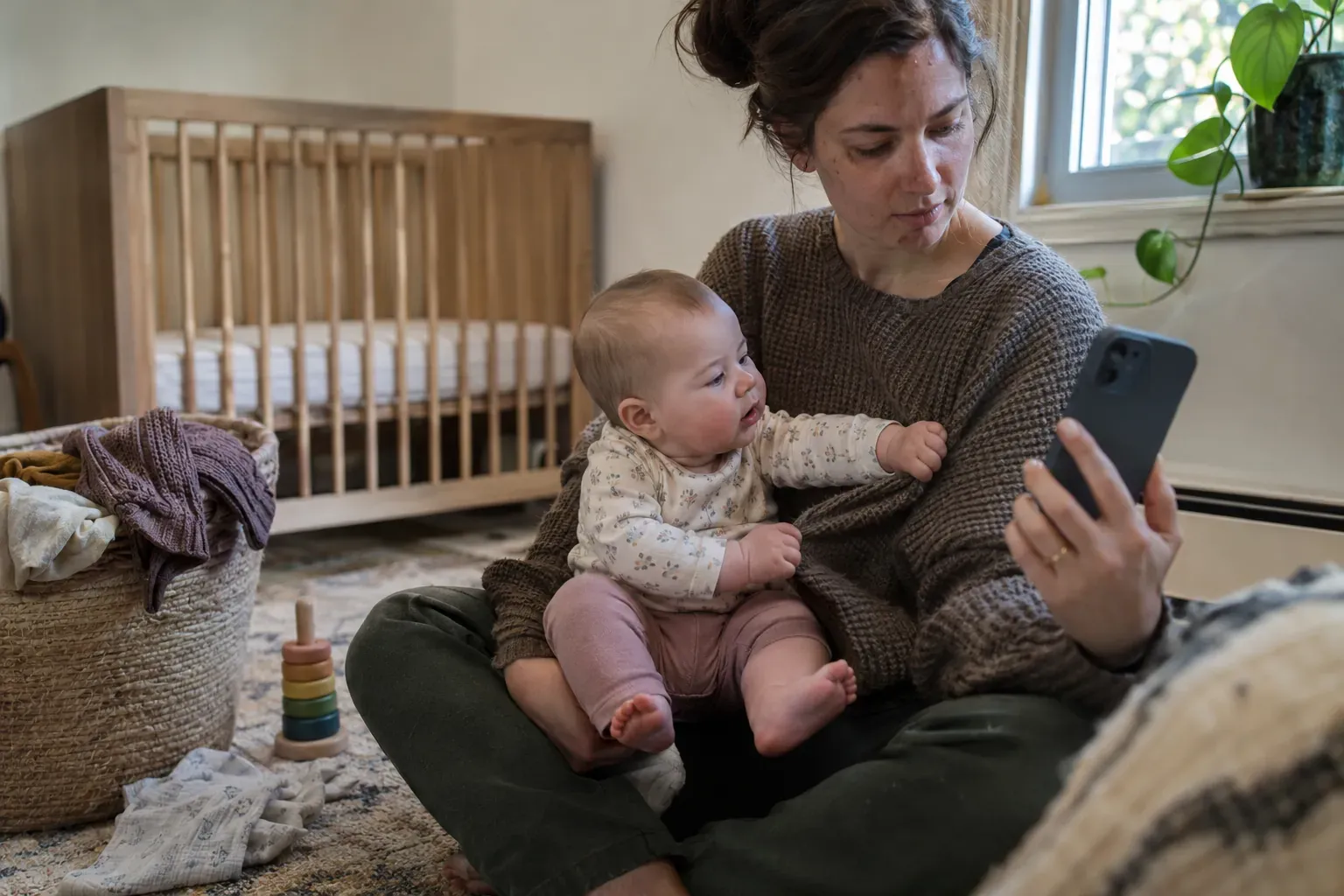
A manual log records what you tell it. In Cradle you start a sleep timer when your baby settles and stop it when they wake. You can log a feed, diaper, pumping session or solids in the same timeline, edit an entry you missed, and invite a partner or caregiver to the same record. The Apple Watch companion handles quick sleep, feed and diaper logging. For eligible babies aged two to under 25 months, Cradle suggests the next nap window from your logged sleep.
The trade-off is effort and gaps. If nobody logs a nap, it isn’t there, and the record is only as complete as the people keeping it.
Best for families who want sleep in the same place as feeds and diapers, shared between caregivers, without any hardware in the nursery.
What do pediatricians say about monitors and SIDS?
- The AAP says not to use home cardiorespiratory monitors as a way to reduce the risk of SIDS. It notes that consumer heart-rate and pulse-oximetry monitors, some of them wearable, have no evidence of reducing SIDS risk. They also don’t have to meet the same requirements as medical devices.
- The AAP warns that monitors can give a false sense of security. Using one is fine, but not as a substitute for safe sleep practices.
- The FDA’s 2025 safety communication says no device, including infant monitors, has been authorized to prevent SIDS or sudden unexpected infant death. It adds that infant monitors are not a replacement for adult supervision or safe sleep practices.
Whatever you choose, the basics don’t change. Put your baby to sleep alone, on their back, in a crib or bassinet with a firm, flat surface and nothing else in it.
Can you combine them?
Yes. A camera or wearable can run in the nursery while a manual log keeps feeds, diapers and handovers in one shared place. If you use a monitor that reports health readings, ask your pediatrician what the numbers mean for your baby before acting on them.
Which one should I choose?
- Choose a camera if you’d use a video monitor anyway and want automatic sleep statistics.
- Choose a wearable if your pediatrician agrees that pulse and oxygen readings make sense for your family, and you understand it won’t prevent SIDS.
- Choose a manual log if you want the whole day of care in one shared record, with no hardware, and you’re happy to tap a button when sleep starts and ends.
If you’re leaning towards a manual log, our guide to baby sleep tracking shows how logging works in Cradle, and nap predictions explains how the next-nap window is worked out.
Sources
- Nanit Insights memberships
- Nanit app dashboard and advanced analytics (Nanit help centre)
- Breathing Wear product use and safety (Nanit help centre)
- Owlet Dream Sock
- Owlet360 annual plan
- How to Keep Your Sleeping Baby Safe: AAP Policy Explained (HealthyChildren.org)
- Do Not Use Unauthorized Infant Devices for Monitoring Vital Signs (FDA Safety Communication)
- Cradle baby sleep tracking