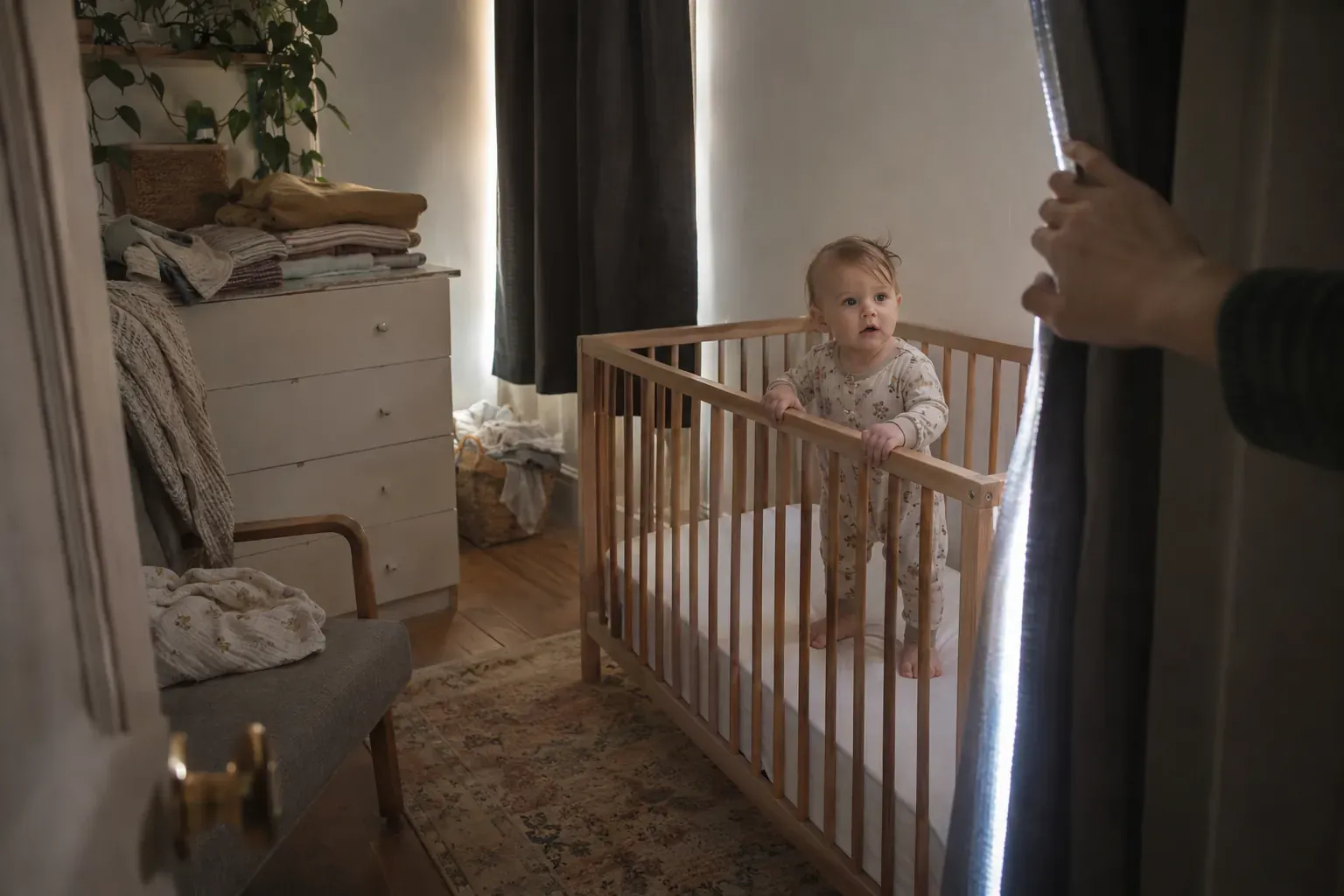
What is a wake window?

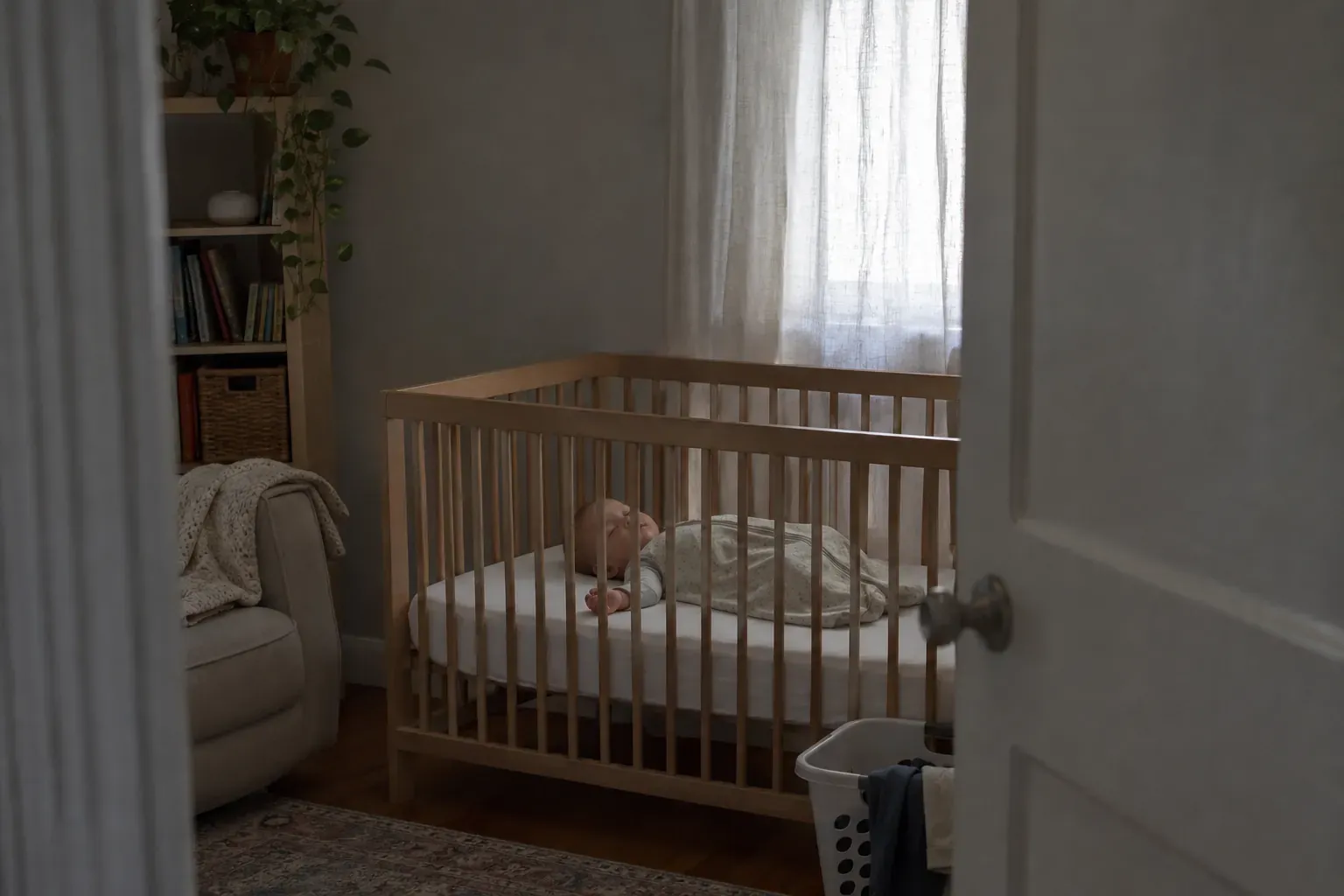
A wake window is the stretch of time a baby is awake between one sleep and the next. Parents use the idea to plan when to offer a nap, so their baby isn’t put down before they’re tired or kept up until they’re overtired. It’s a useful way to think about the day, but it isn’t a medical standard. No major health body publishes official wake window lengths by age, so your baby’s own sleepy cues are a better guide than any chart.
Where does the idea of wake windows come from?
The term comes from parenting books, sleep coaches and baby apps rather than from pediatric guidelines. The American Academy of Pediatrics (AAP), the NHS and the American Academy of Sleep Medicine (AASM) don’t use the term in their parent guidance. We also couldn’t find a study that defines or tests wake windows. Noticing how long your baby has been awake is still sensible. Age-based wake window charts are rules of thumb rather than tested targets.
How much sleep do babies actually need?
What the guidelines do give is total sleep across 24 hours. The AASM consensus statement, which the AAP endorses, recommends:
- 4 to 12 months: 12 to 16 hours in 24 hours, including naps
- 1 to 2 years: 11 to 14 hours in 24 hours, including naps
It makes no recommendation for babies under 4 months, because sleep varies so widely at that age.
Newborns sleep a lot, but in short pieces. The AAP’s parent site describes newborns sleeping about 16 to 17 hours a day, often only 1 or 2 hours at a time. The NHS notes that most newborn babies are asleep more than they’re awake, and that every baby’s pattern is different. The AAP also says babies don’t have regular sleep cycles until about 4 months of age, which is why early days can feel unpredictable.
What are the signs a baby is getting tired?
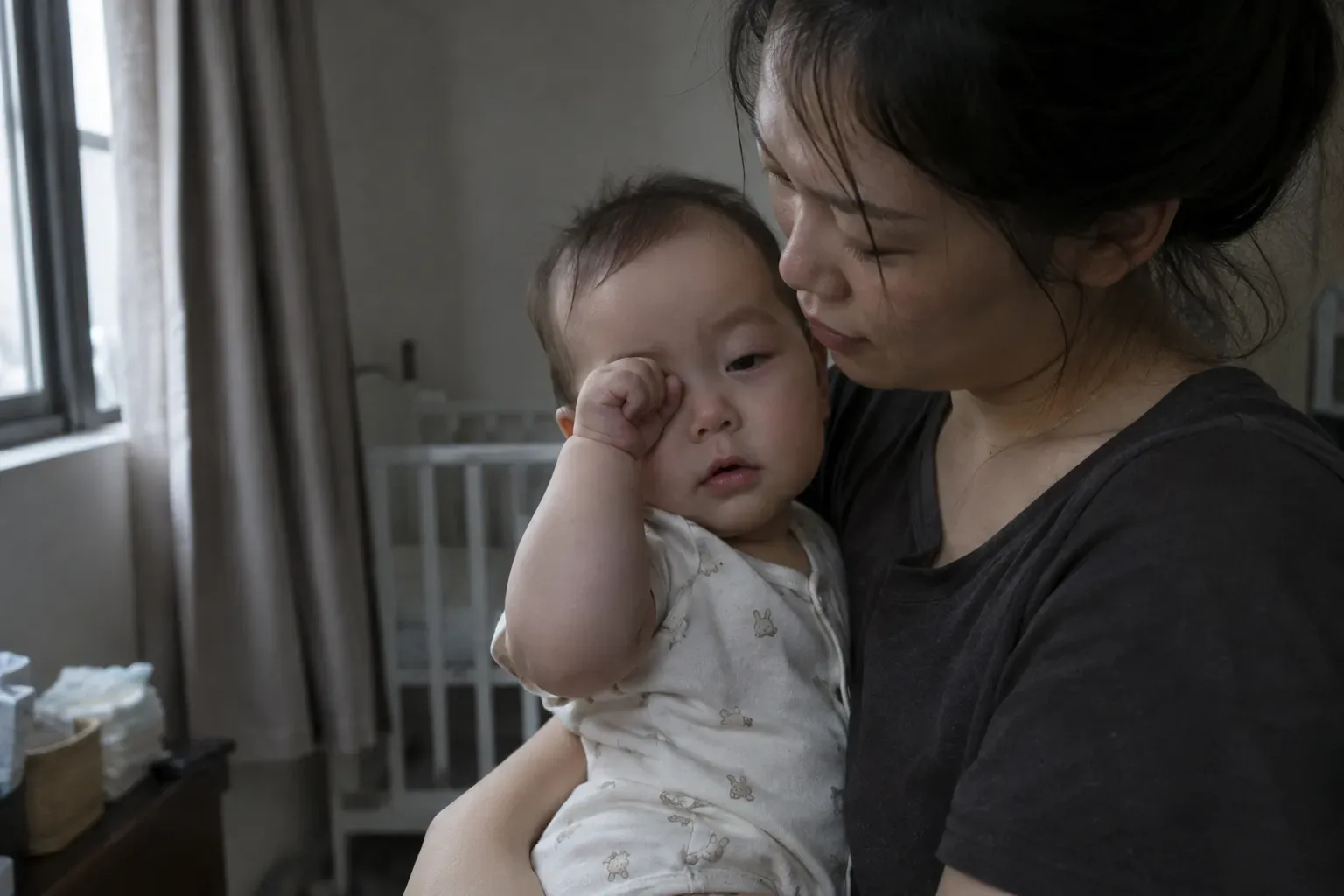
Rather than watching the clock, watch your baby. The NHS lists signs that a baby needs a break or sleep, including:
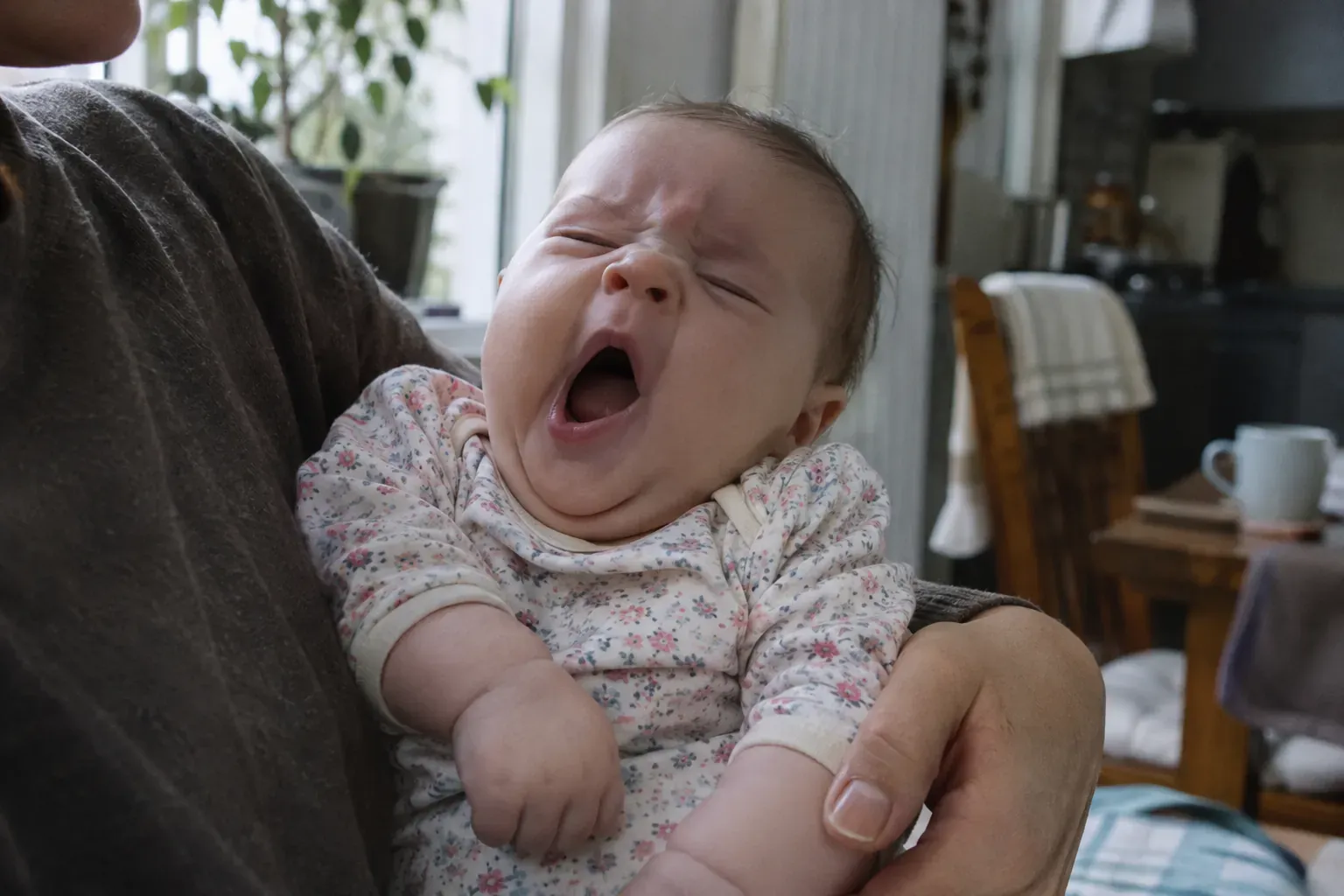
- yawning
- turning their head or body away
- eyes that look glazed or heavy-lidded, or fluttering eyelids
- closing their eyes
Cues are easiest to spot when they first appear. If you wait for crying, your baby may already be past the easy moment to settle, and it can take longer to calm them down.
The AAP suggests putting babies to bed when they’re drowsy rather than waiting until they’re already asleep. It says this helps babies learn to fall asleep on their own, in their own bed, which can make night wakings easier to settle later on.
How should I use wake windows, then?
Use a wake window as a reminder to start looking for sleepy cues.
- Notice how long your baby has been awake. After a while you’ll see your own baby’s pattern, and it may not match a chart.
- Watch for the first cues. Yawning, turning away or glazed eyes are your signal to start winding down.
- Keep the wind-down short and calm. Dim the light, lower the noise, and offer the nap.
- Look at the whole day. One short nap or a long stretch awake happens. Total sleep over 24 hours and how your baby seems overall matter more.
Logging sleep for a week or two can make the pattern easier to see. Cradle, for example, suggests the next nap window for eligible babies aged two to under 25 months from the sleep you’ve logged, and you check each suggestion against your baby’s cues.
Do I need to time wake windows at all?
No. If your baby settles well when you follow their cues, a clock adds little. Timing awake stretches is most useful when cues are hard to read, when several people share the care and need a common reference, or when naps keep going wrong and you want to see a pattern over a week or two.
If you do time them, write down when your baby woke and when they next fell asleep, rather than when you started trying. That gives you the real awake time, which is the number you’ll want to compare from day to day.
Why does my baby fight sleep even when they seem tired?
Plenty of reasons have nothing to do with timing: hunger, a wet diaper, a new skill they’re practising, a noisy room or simply a busy day. Babies don’t have regular sleep cycles until around 4 months, so younger babies’ sleep is naturally less predictable. If your baby is generally feeding well, growing and content when awake, an occasional fight at nap time is normal.
Does every baby need the same awake time?
No. Two babies of the same age can need quite different amounts of awake time, and the same baby will change week to week as they grow. That’s the main problem with fixed charts: they can make a perfectly normal baby seem “off schedule”.
When should I call my pediatrician?
Talk to your pediatrician if your baby:
- is very hard to wake, or unusually floppy or drowsy
- is sleeping much more or much less than usual and isn’t feeding well
- seems to be in pain, has a fever, or is breathing in a way that worries you
- has sleep problems that are affecting the whole family and aren’t easing
If something feels wrong, call.
Sources
- Recommended Amount of Sleep for Pediatric Populations: A Consensus Statement of the American Academy of Sleep Medicine
- Getting Your Baby to Sleep (HealthyChildren.org, American Academy of Pediatrics)
- Helping your baby to sleep (NHS)
- Understanding your baby (NHS Best Start in Life)
- Healthy Sleep Habits: How Many Hours Does Your Child Need? (HealthyChildren.org)
This article is for general education and is not medical advice. Talk to your pediatrician about your baby's health.