What are the ABCs of safe sleep?
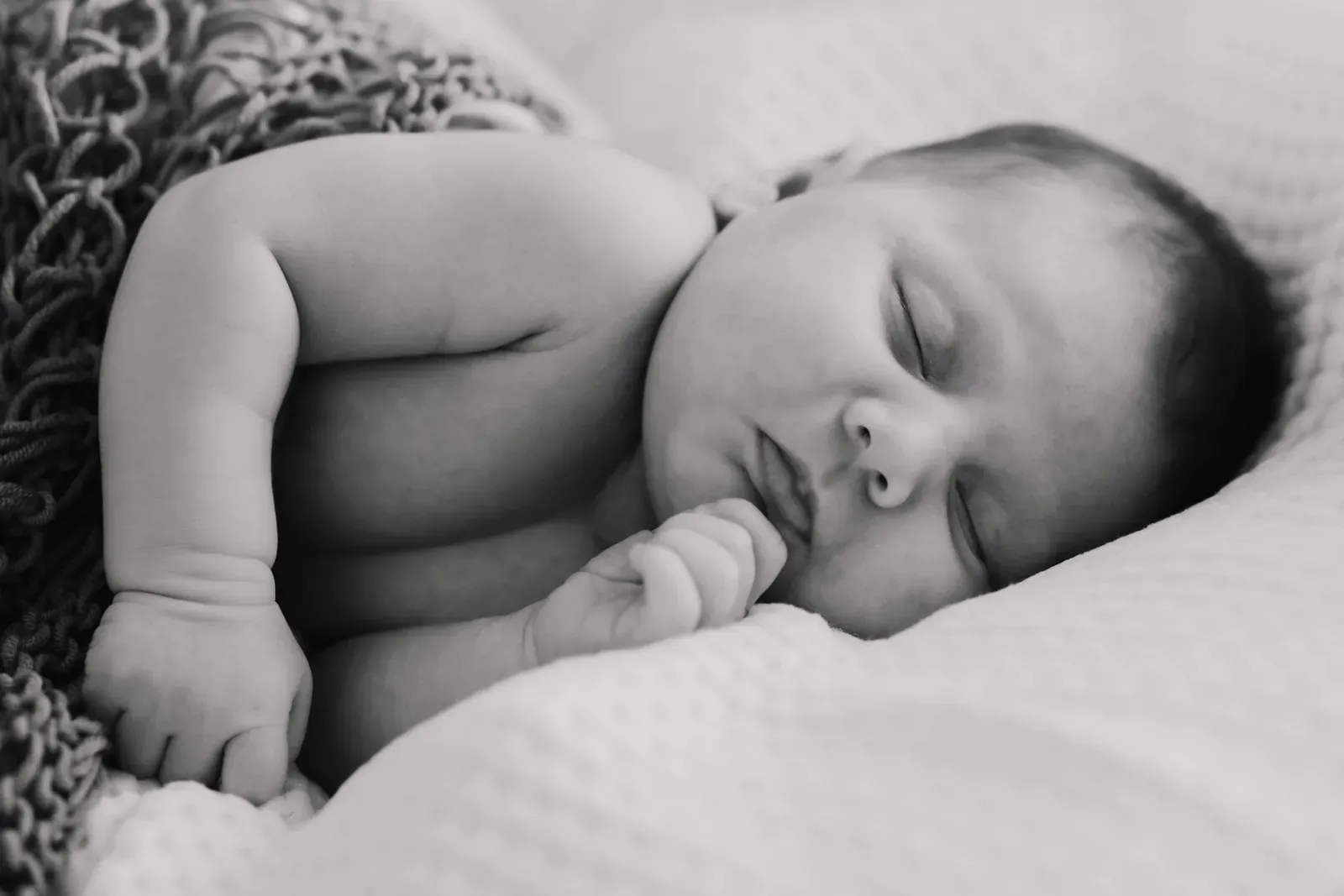
The ABCs of safe sleep are a short way to remember how to put a baby down: Alone, on their Back, in a Crib. Your baby sleeps in their own sleep space, on their back for every nap and every night, on a firm, flat surface such as a crib or bassinet with nothing else in it. The American Academy of Pediatrics (AAP) recommends these practices to reduce the risk of sudden infant death syndrome (SIDS) and accidental suffocation.
A is for alone: why should my baby sleep in their own space?
Your baby should sleep in their own crib, bassinet or play yard, not in your bed or on a sofa or armchair. The AAP recommends sharing a room with your baby, but not a bed, for at least the first 6 months and preferably up to their first birthday. Keeping the crib in your room makes night feeds easier and lets you hear your baby, without the risks of sharing a sleep surface. The NICHD’s Safe to Sleep campaign gives the same advice: share a room with your baby for at least the first 6 months.
“Alone” also means nothing else in the crib. The AAP warns that soft objects and loose bedding can increase the risk of entrapment and suffocation. That means:
- no pillows, quilts, duvets or loose blankets
- no crib bumpers
- no soft toys
- no weighted swaddles, weighted blankets or weighted sleepers
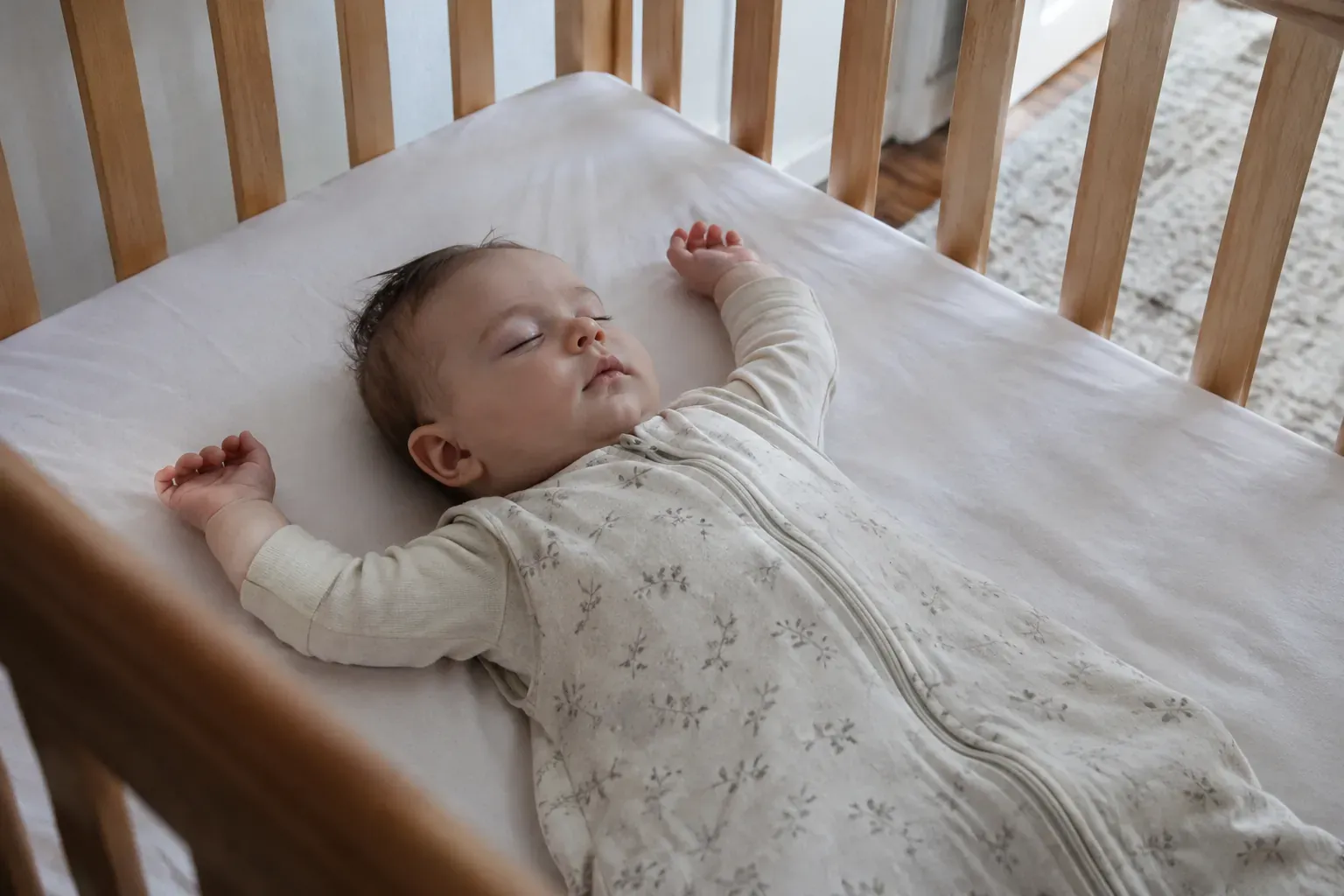
B is for back: does my baby need to sleep on their back every time?
Yes. The AAP says to place your baby on their back for all naps and at night, every time. That includes naps at a grandparent’s house or daycare, so share this with everyone who puts your baby down.
If you swaddle your baby, the AAP says to stop as soon as they show any signs of trying to roll over, and not to use weighted swaddles. It also points out that swaddling doesn’t reduce the risk of SIDS.
C is for crib: what counts as a safe sleep surface?
A crib, bassinet or play yard with a firm, flat mattress and a fitted sheet. The AAP says any surface that inclines more than 10 degrees isn’t safe for sleep.
Babies often fall asleep somewhere else: in a car seat, stroller, swing, carrier or sling. The AAP’s advice is to move them to a firm, flat sleep surface as soon as you can. The same goes for a nap that starts on a walk or a drive: once you’re home, move your baby to their crib on their back.
What else lowers the risk?
Beyond the ABCs, current AAP guidance includes:
- Offer a pacifier at sleep time. The AAP says pacifiers help reduce the risk of SIDS even if the pacifier falls out. If you’re breastfeeding, wait until breastfeeding is established before offering one.
- Avoid overheating. The AAP notes that overheating can increase the risk of SIDS. Instead of loose blankets, dress your baby in layers of clothing or use a wearable blanket, and don’t put a hat on your baby indoors.
- Keep your baby away from smoke. Smoking during pregnancy is a significant risk factor, and a smoke-free home matters after birth too.
- Breastfeed if you can. The AAP says human milk reduces the risk of SIDS.
- Never share a sleep surface after drinking alcohol or using marijuana or other drugs.
Do baby monitors or special products reduce the risk of SIDS?
No. The AAP says not to use home cardiorespiratory monitors as a way to reduce the risk of SIDS. About products that claim to reduce SIDS risk, it says there’s simply no evidence that this is true. The NICHD’s Safe to Sleep campaign gives the same advice about heart, breathing and motion monitors.
A monitor can still help you hear or see your baby, but it doesn’t replace the ABCs.
What if my baby only sleeps on me?
Many babies fall asleep during a feed or on a parent’s chest, and that’s normal. The risk comes when an adult falls asleep with the baby. The AAP says the risk of sleep-related infant death is up to 67 times higher when babies sleep with someone on a couch, so avoid feeding on a sofa or armchair when you’re very tired.
If you bring your baby into your bed to feed or comfort them, the AAP says to put them back in their own sleep space before you go to sleep. If you think you might doze off, first remove anything that could cover your baby’s face, head or neck, and move your baby back to their own space as soon as you wake up.
How do I keep everyone on the same page?
Safe sleep only works if every caregiver follows it. Before a grandparent, nanny or babysitter puts your baby down, go through the ABCs together, and show them the crib with nothing in it. Advice has changed over the years, so someone who raised children a generation ago may remember different rules, such as putting babies on their front.
When should I call my pediatrician?
Ask your pediatrician about safe sleep at any check-up, especially if your baby was born early, has a health condition, or you’re unsure about a product. Call emergency services straight away if your baby is not breathing, turns blue or grey, or can’t be woken.
Sources
This article is for general education and is not medical advice. Talk to your pediatrician about your baby's health.