How often should a newborn eat?

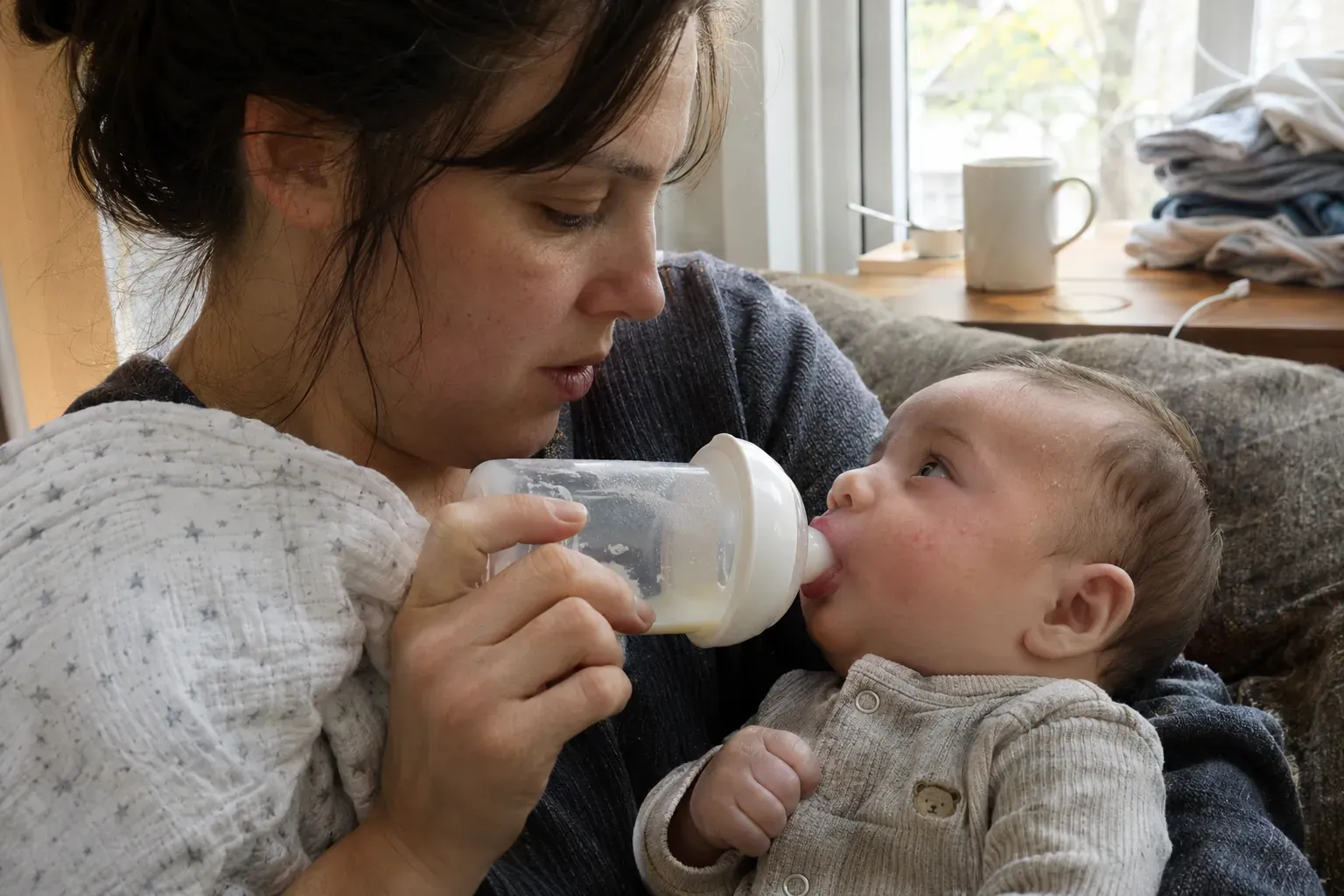
Most newborns eat 8 to 12 times in 24 hours. Breastfed newborns often feed about every 2 to 3 hours, sometimes more often, and formula-fed newborns usually every 2 to 3 hours at first, then about every 3 to 4 hours after the first weeks. The American Academy of Pediatrics (AAP), CDC and NHS all recommend feeding your baby when they show hunger cues, not by the clock, for most healthy full-term babies.
How often do breastfed newborns feed?
In the first few days, newborns may breastfeed as often as every 1 to 3 hours, according to the CDC and NHS. The AAP says breastfed newborns nurse about every 2 hours, counted from the start of one feed to the start of the next, and that about 10 to 12 feeds in 24 hours is typical.
Over the first weeks and months, the CDC says feeds average every 2 to 4 hours, for a total of about 8 to 12 in 24 hours. The NHS puts it as at least 8 to 12 times, or more, every 24 hours during the first few weeks.
Spacing won’t be even. The CDC notes that some babies feed as often as every hour at times, while others sleep 4 to 5 hours between feeds.
How often do formula-fed newborns eat?
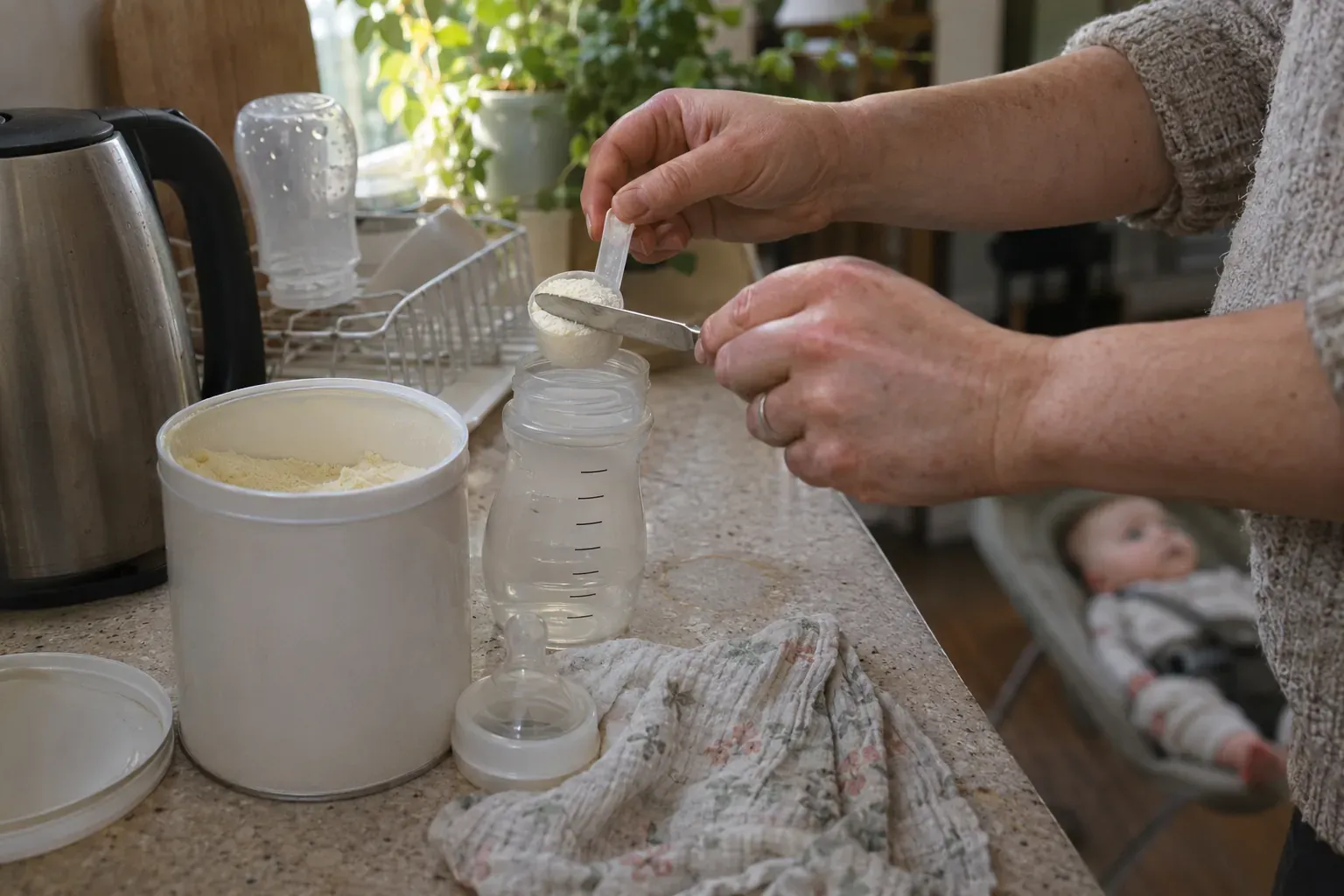
The CDC suggests offering 1 to 2 ounces every 2 to 3 hours in the first days, and more if your baby shows hunger cues. Most formula-fed newborns feed 8 to 12 times in 24 hours. The AAP says bottle-fed newborns eat every 2 to 3 hours, with at least 8 feeds in 24 hours.
After the first weeks, most formula-fed babies feed about every 3 to 4 hours. By the end of the first month, the AAP says many take about 3 to 4 ounces per feed.
How much should a newborn eat at each feed?
Newborn stomachs are small, so early feeds are small too. For formula, the AAP’s guidance is:
- Days 1 to 2: about half an ounce per feed
- First week: usually no more than about 1 to 2 ounces (30 to 60 mL) per feed
- End of the first month: about 3 to 4 ounces (90 to 120 mL), roughly every 3 to 4 hours
As a rule of thumb, the AAP says babies take about 2½ ounces (75 mL) of formula a day for each pound of body weight, and usually no more than about 32 ounces (960 mL) in 24 hours. These are averages. If your baby consistently wants much more or less, talk to your pediatrician.
With breastfeeding you can’t see the amount, and the NHS says a breastfed baby cannot be overfed. With bottles, the AAP suggests offering a little less at first, since you can always give more. Overfeeding can cause tummy pain, gas, spit-up or vomiting.
What are the early signs my baby is hungry?

The CDC lists these hunger cues for babies from birth to 5 months:
- putting hands to mouth
- turning their head toward the breast or bottle
- puckering, smacking or licking their lips
- clenched hands
The AAP adds sticking the tongue out, rooting (turning toward anything that strokes the cheek), opening the mouth and fussing. The NHS mentions restlessness, sucking on fists or fingers, and murmuring.
Crying is a late sign of hunger. A crying baby is harder to feed, so try to offer a feed while they’re still calm. Babies also suck for comfort, so sucking on its own doesn’t always mean hunger.
Signs your baby has had enough include closing their mouth, turning their head away and relaxing their hands, according to the CDC.
Should I wake my newborn to feed?
Sometimes. The CDC says sleepy newborns may need waking to feed every 2 to 4 hours, and suggests patting or stroking them, undressing them or changing their diaper to help them wake. The AAP’s formula guidance says that in the first few weeks, if your baby sleeps more than 4 to 5 hours and misses feeds, you should wake them and offer a bottle.
The AAP also says that a baby who is having trouble gaining weight shouldn’t go too long between feeds, even if that means waking them. Your pediatrician will tell you if your baby needs a specific feeding plan, which is more common for babies born early or with some medical conditions.
Why does my baby want to feed constantly some evenings?
That’s often cluster feeding: a stretch when a baby feeds much more often than usual, sometimes almost constantly. The NHS says it’s very normal, usually happens in the first 3 to 4 months, and can last a few days during a growth spurt. The CDC also describes babies feeding as often as every hour at times.
Cluster feeding happens with formula too. The NHS says that’s fine, as long as you take care not to overfeed.
How do I know my newborn is getting enough?
The AAP describes these signs:
- 2 to 3 wet diapers a day in the first few days, then at least 5 to 6 a day after the first 4 to 5 days
- at least 4 stools a day by day 4
- growth that stays in a healthy range on your pediatrician’s growth chart
The CDC adds that babies generally take what they need and stop when full, then seem content and drowsy. Our guide on how many wet diapers a newborn should have goes into more detail.
Do I need to track feeds?
You don’t have to. Writing down the time of each feed for the first weeks can help you see whether you’re near 8 to 12 in a day, and gives you clear answers if your pediatrician asks. If two of you are feeding, one shared record stops anyone guessing when the last feed was. Cradle, for example, keeps breastfeeding, bottles and pumping in the same timeline as sleep and diapers, and shows the last feed at a glance.
When should I call my pediatrician?
Talk to your pediatrician, or a lactation consultant, if:
- your baby seems to want to eat all the time, even when full
- your baby is having trouble gaining weight
- your baby is very sleepy and hard to wake for feeds
- you’re seeing fewer wet or dirty diapers than expected
- you’re worried about how much your baby is eating or sleeping
If something feels wrong, call.
Sources
- How Often and How Much Should Your Baby Eat? (HealthyChildren.org, American Academy of Pediatrics)
- Amount and Schedule of Baby Formula Feedings (HealthyChildren.org, American Academy of Pediatrics)
- How Much and How Often to Breastfeed (CDC)
- How Much and How Often to Feed Infant Formula (CDC)
- Signs Your Child Is Hungry or Full (CDC)
- Breastfeeding: the first few days (NHS)
- Cluster feeding (NHS Start for Life)
This article is for general education and is not medical advice. Talk to your pediatrician about your baby's health.