How many naps does a baby need at each age?
There is no official number of naps a baby needs at each age. The American Academy of Sleep Medicine (AASM), the American Academy of Pediatrics (AAP) and the NHS publish total sleep per 24 hours rather than nap counts. The AAP’s parent site says most babies settle into a routine of 2 to 3 naps a day, without tying that to a month. For babies aged 4 to 12 months the AASM recommends 12 to 16 hours of sleep in 24 hours including naps; for 1 to 2 year olds, 11 to 14 hours. Under 4 months there is no recommendation at all, because normal varies so much. How the total is split between naps and night is up to your baby.
How much sleep does a baby need in 24 hours?
The clearest numbers come from the AASM’s consensus statement, which the AAP endorses. They are totals across a full day and night, and for young children they include naps.
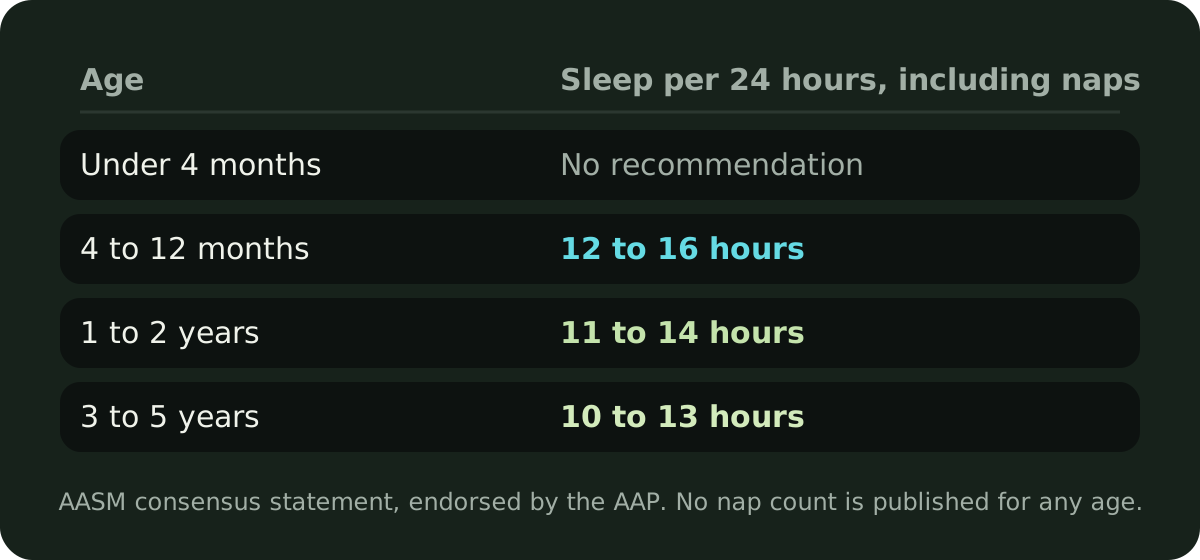
- Under 4 months: no recommendation. The statement leaves this group out because of the wide range of normal variation.
- 4 to 12 months: 12 to 16 hours per 24 hours, including naps
- 1 to 2 years: 11 to 14 hours per 24 hours, including naps
- 3 to 5 years: 10 to 13 hours per 24 hours, including naps
HealthyChildren.org, the AAP’s parent site, repeats these ranges and adds the practical point: they’re total sleep in a 24-hour period, so if your child still naps, count the naps when you add up their day.
How do newborns sleep?
In short pieces around the clock, so “naps” is a loose word for them. HealthyChildren.org says newborns sleep about 16 to 17 hours a day but may only sleep 1 or 2 hours at a time, and that babies don’t have regular sleep cycles until about 4 months. The NHS puts newborn sleep at around 18 hours and notes that most newborns are asleep more than they’re awake. Counting a newborn’s sleeps tells you very little, because a lot of short ones is normal at this age.
How many naps do babies take at different ages?
The AAP, the AASM and the NHS say this much about nap numbers, and no more:
- HealthyChildren.org: most babies settle into a routine of 2 to 3 naps per day. It gives no age for when that happens.
- HealthyChildren.org: babies, toddlers and preschoolers need healthy naps every day.
- NHS: between 6 and 12 months some babies sleep around 15 hours, most of it at night. After the first birthday, babies sleep around 12 to 15 hours in total. Most 2 year olds need about 12 to 14 hours including daytime naps, and some 3 to 5 year olds still need a daytime nap.
None of these bodies publishes a chart of naps per month. The charts you see online, with three naps at 5 months, two at 8 months and one somewhere after the first birthday, come from sleep consultants, parenting sites and apps. They describe common patterns, and plenty of babies fit them, but they aren’t health guidance. A 7 month old on two naps and a 7 month old on three can both be sleeping a perfectly normal amount.
Why does the number of naps go down?
Total sleep falls slowly over the first year: HealthyChildren.org says newborns need about 17 hours a day and 1 year olds about 14. Over the same months, more of that sleep moves to the night. The NHS describes 6 to 12 month olds as sleeping mostly at night, and HealthyChildren.org says keeping babies awake longer during the day helps them sleep longer at night, with short catnaps gradually replaced by longer stretches.
If a baby sleeps a little less in total, sleeps more of it at night, and stays awake longer between sleeps, fewer naps fit into the day, and the ones that remain tend to get longer. That describes what happens; it doesn’t say when it should happen for your baby. Our post on wake windows covers the awake stretches between naps and why sleepy cues beat the clock.
How do I know my baby is ready to drop a nap?
The AAP, the AASM and the NHS don’t give guidance on this, so what follows is the pattern parents commonly describe rather than a sourced rule. One nap, often the last of the day, gets refused or very short most days for a week or two, while nights stay about the same. If your baby is cheerful and feeding well, and their total over 24 hours is still in the range above, the day is reshaping itself and nothing needs fixing.
What the sources do say is to keep the rest of the day steady while it happens. HealthyChildren.org recommends the same waking time, mealtimes, nap time and play times each day, and notes that routines don’t have to be perfect to work.
Does the number of naps matter, or the total?
The total. Every figure the AASM and the AAP publish is for a 24-hour period that includes naps, and HealthyChildren.org tells parents to add naps into the count rather than treat them separately. Two babies of the same age can reach the same total with a different number of naps, and the same baby can take two naps on Monday and three on Tuesday without anything being wrong.
A better question than “how many naps” is how your baby is doing over the whole day. Are they settling, feeding well and content when awake? Is the 24-hour total roughly in range on most days? If so, the nap count is a detail.
Logging sleep for a week or two makes the pattern easier to see. Cradle, for example, suggests a next nap window for eligible babies aged two to under 25 months from the sleep you log; it describes your baby’s own routine and doesn’t prescribe a nap count or a generic age-based schedule. Details are on the nap predictions page.
Where should naps happen?
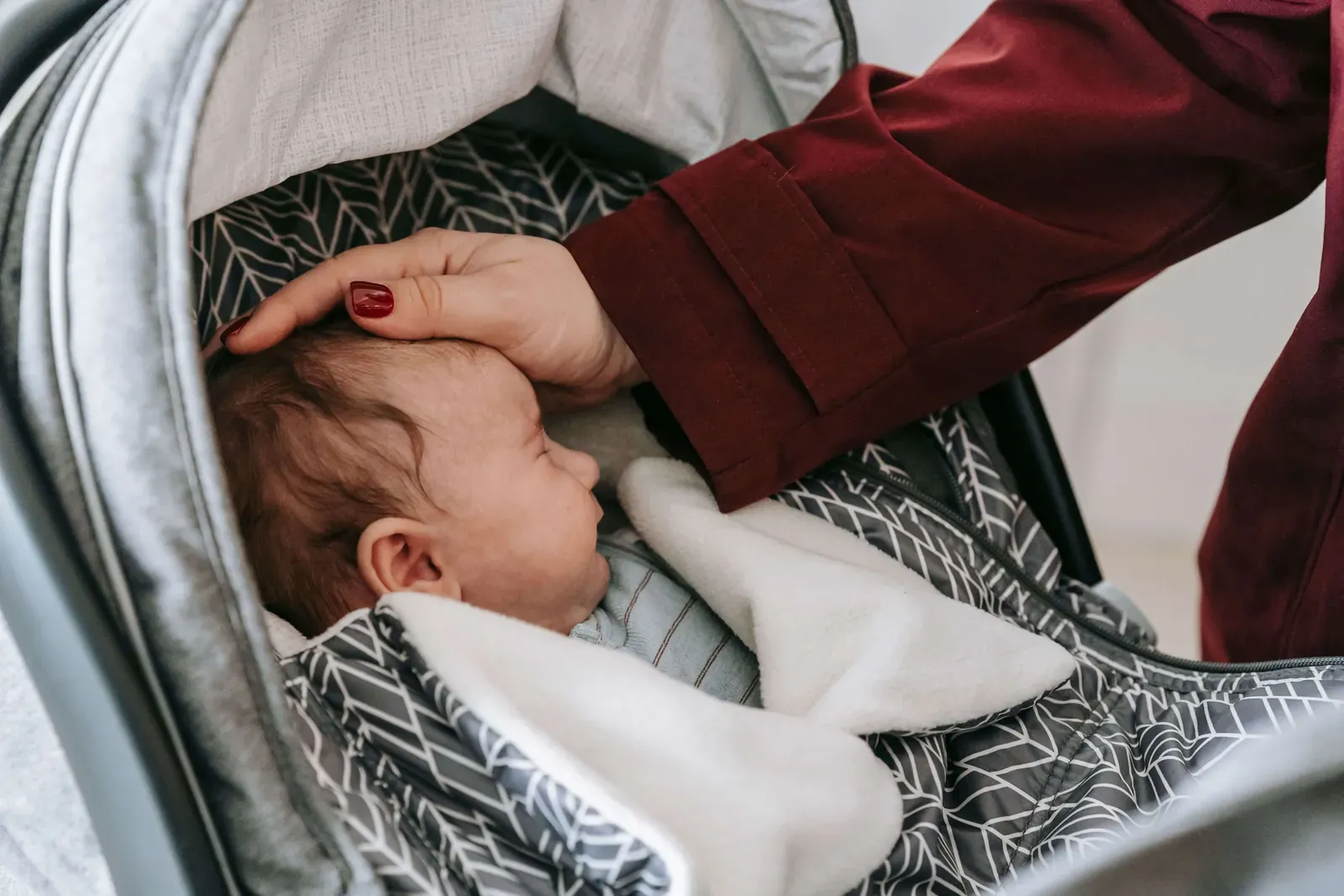
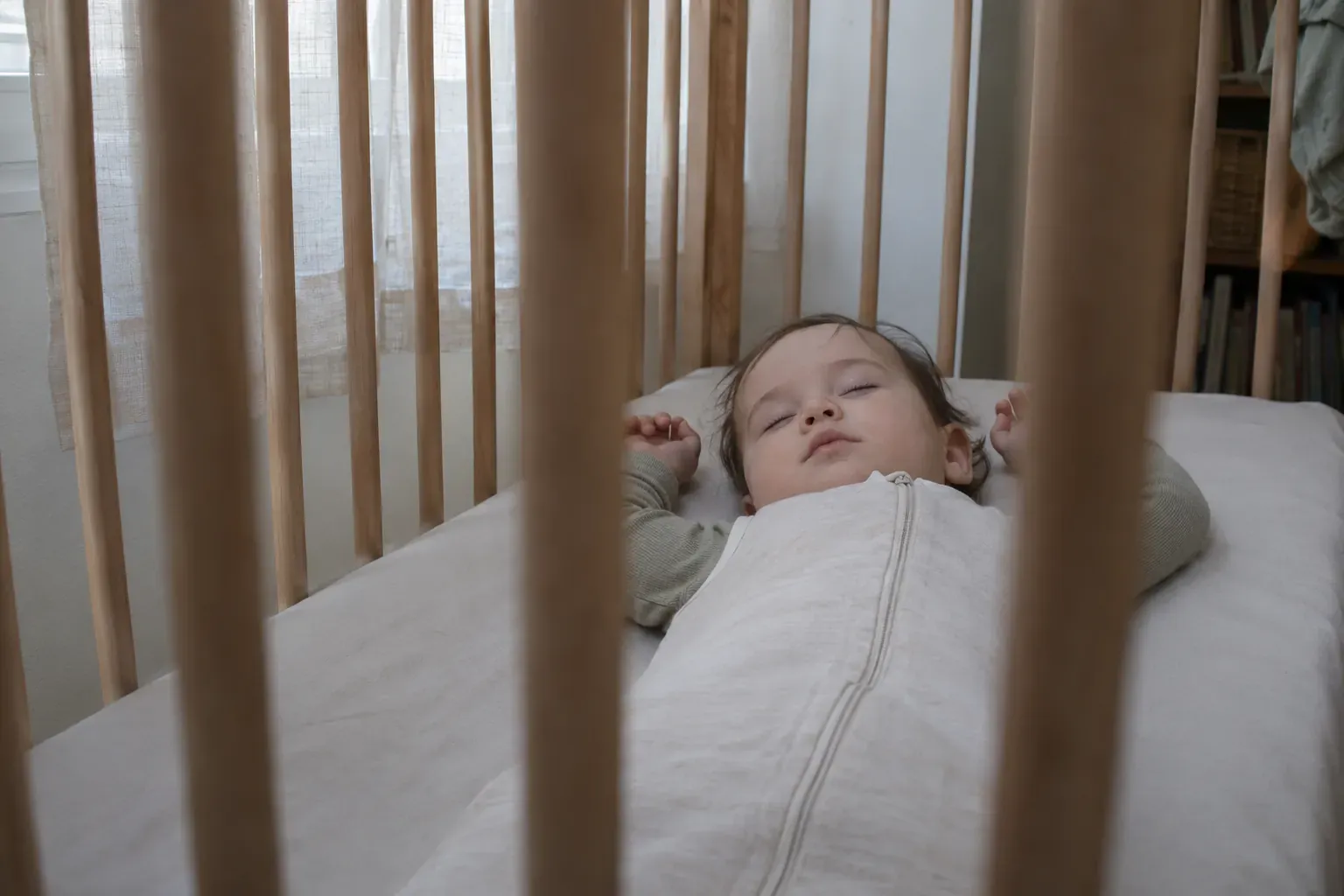
In the same place as night sleep, as far as you can manage. The AAP says to place your baby on their back for every sleep, naps included, on a firm, flat surface with nothing else in it. If your baby falls asleep in a car seat, stroller, swing, carrier or sling, the AAP says to move them to a firm, flat sleep surface as soon as possible. Our post on car seat and stroller naps covers naps on the move.
When should I call my pediatrician?
Nap counts alone are rarely a medical question, but sleep can be. Talk to your pediatrician if your baby:
- is very hard to wake, or unusually floppy or drowsy
- is sleeping far more or far less than the ranges above most days and isn’t feeding well
- has a fever, seems to be in pain, or is breathing in a way that worries you
- has stopped napping altogether well before their first birthday and is miserable through the day
- has sleep that is wearing the whole family down and isn’t easing
If something feels wrong, call.
Sources
- Recommended Amount of Sleep for Pediatric Populations: A Consensus Statement of the American Academy of Sleep Medicine
- Healthy Sleep Habits: How Many Hours Does Your Child Need? (HealthyChildren.org, American Academy of Pediatrics)
- Getting Your Baby to Sleep (HealthyChildren.org, American Academy of Pediatrics)
- Baby Parenting (HealthyChildren.org, American Academy of Pediatrics)
- Sleep and Health: Why Rest Matters for Your Child and Your Whole Family (HealthyChildren.org, American Academy of Pediatrics)
- Reversing Day-Night Reversal (HealthyChildren.org, American Academy of Pediatrics)
- Helping your baby to sleep (NHS)
- Safe Sleep: 9 Ways to Reduce a Baby's Risk of SIDS and Suffocation (HealthyChildren.org, American Academy of Pediatrics)
This article is for general education and is not medical advice. Talk to your pediatrician about your baby's health.