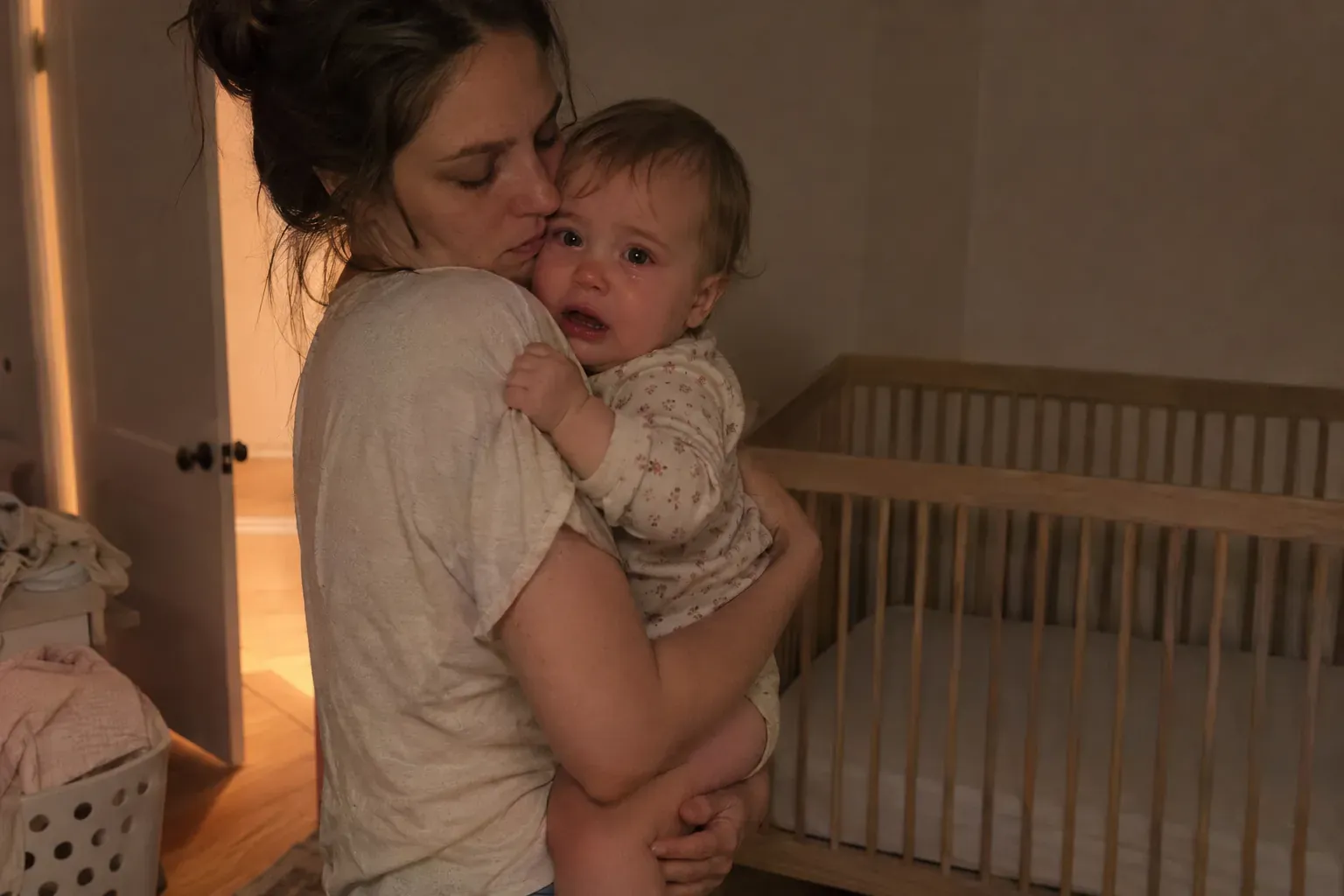
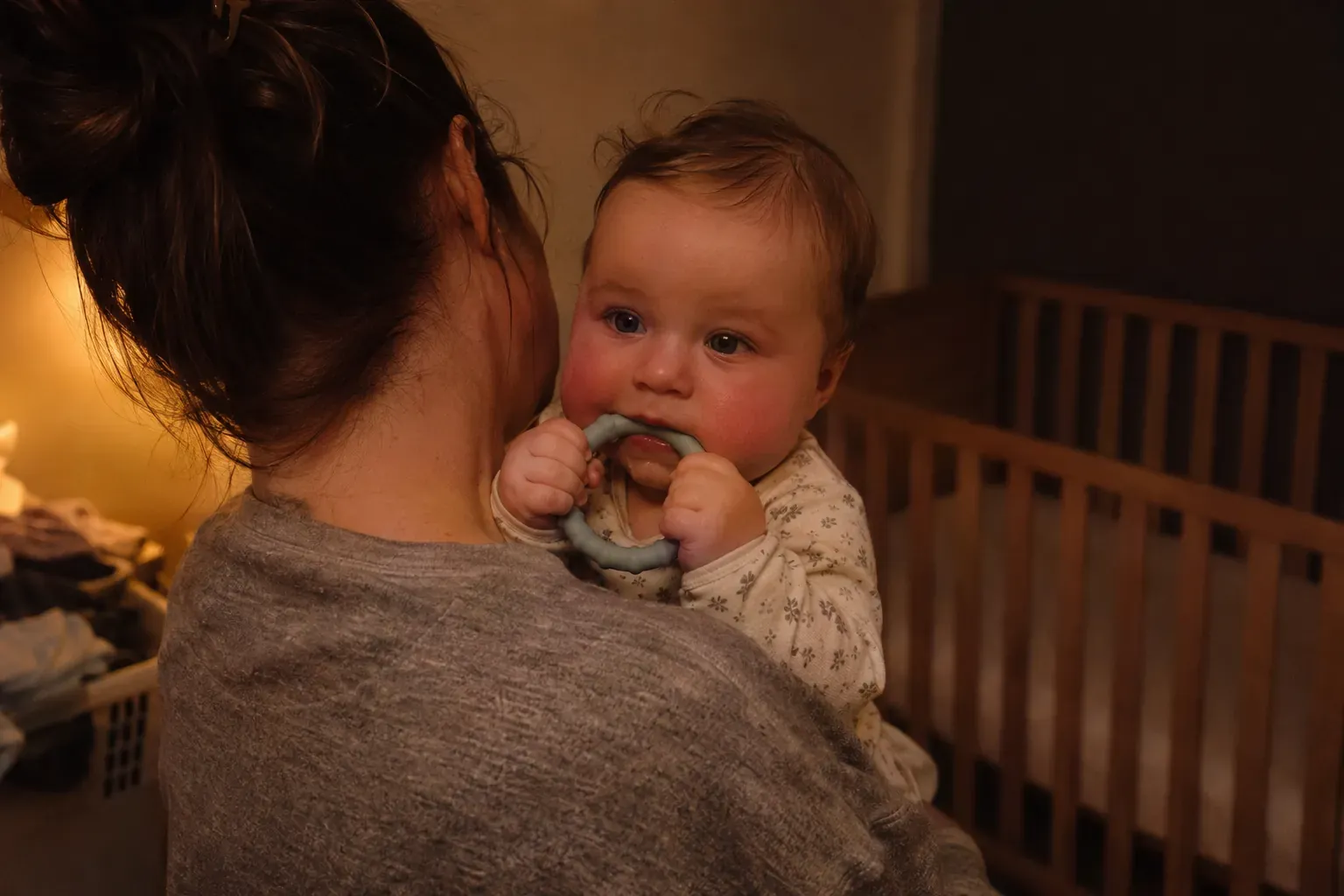
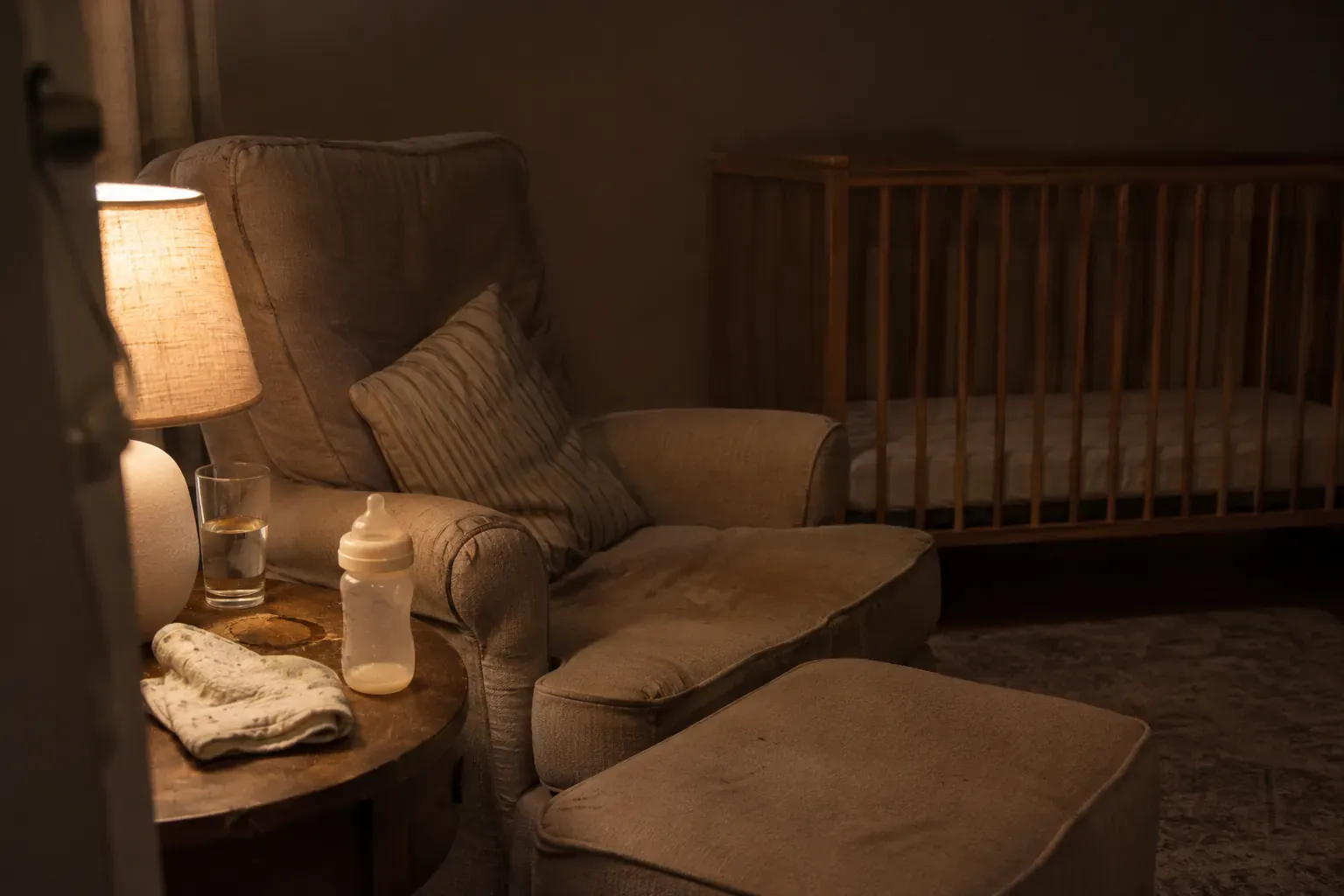
How often do newborns wake at night?
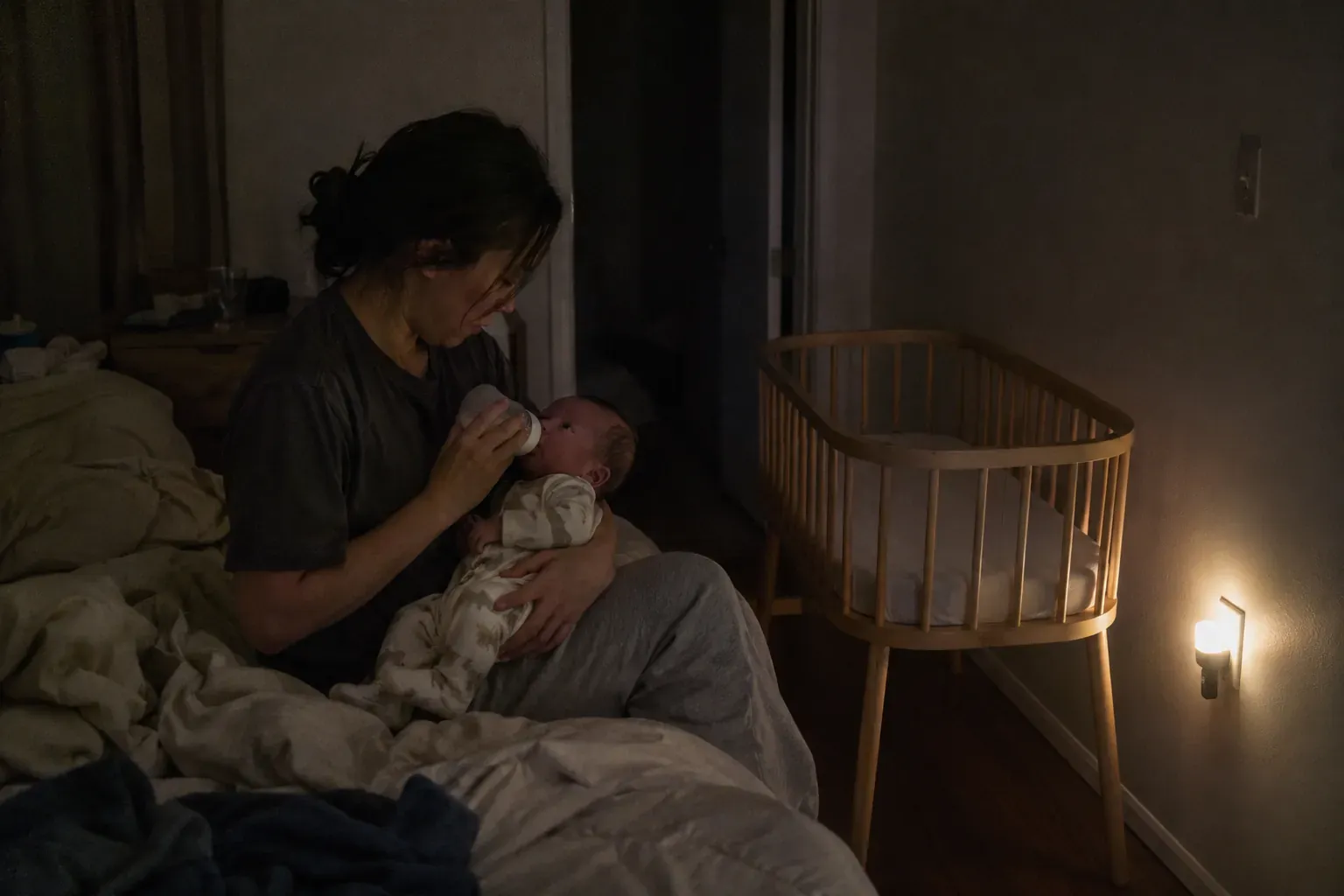
Newborns wake at night about as often as they wake in the day, which is every couple of hours. The American Academy of Pediatrics (AAP) says that although newborns sleep about 16 to 17 hours a day, they may only sleep 1 or 2 hours at a time, and the NHS notes that most newborn babies are asleep more than they’re awake. Most of those wakes are for feeds, which come every 2 to 3 hours around the clock in the early weeks. There’s no fixed number of night wakings to expect, and many babies begin to sleep longer stretches somewhere around 3 to 4 months.
How much do newborns sleep in a 24-hour day?
A lot, in small pieces. The AAP’s figure is about 16 to 17 hours a day; the NHS says total daily sleep varies but can be around 18 hours. A 2023 review in the journal Sleep describes newborns sleeping 15 to 17 hours spread across the whole 24-hour day, with no overt daily rhythms at first.
A newborn’s night doesn’t look much like a night. HealthyChildren.org says babies don’t have regular sleep cycles until about 4 months of age, and that newborns are known to mix up their days and nights. A 2025 scoping review of infant sleep found that consistent day and night patterns typically develop between 3 and 6 months.
How often do newborns wake to feed at night?
As often as they feed in the day, because a newborn’s stomach doesn’t know what time it is. The NHS says babies will wake during the night because they need to be fed, and that newborn babies invariably wake up repeatedly in the night for the first few months.
The feeding numbers from the AAP and the CDC line up:
- Breastfed newborns usually nurse about every 2 hours, counted from the start of one feed to the start of the next (AAP), or 8 to 12 times in 24 hours (CDC).
- In the first days a breastfed baby may want to eat as often as every 1 to 3 hours; in the first weeks and months most feed every 2 to 4 hours on average (CDC).
- Most bottle-fed newborns eat every 2 to 3 hours, and 8 feeds is generally the recommended minimum in 24 hours (AAP), and the CDC gives the same 2 to 3 hours.
- Some babies cluster feed as often as every hour at times, and some have a longer sleep interval of 4 to 5 hours (CDC).
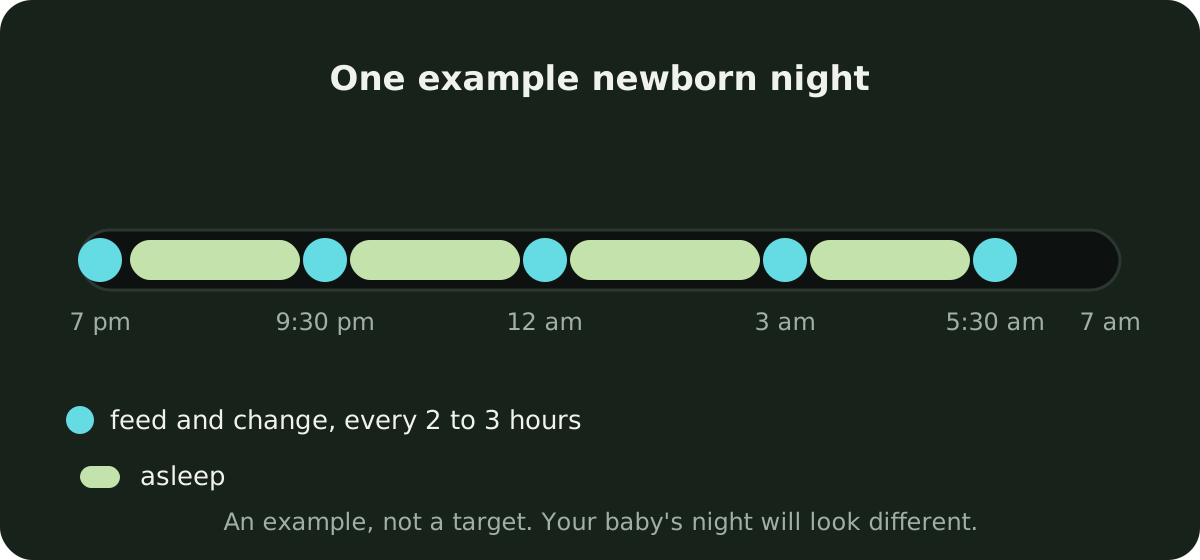
If you count wakings instead of feeds, parent diaries in the 2025 review show about 3 night wakings per night at birth, falling to about 2 by 16 weeks; wrist-worn monitors count more, because they pick up stirrings parents sleep through. Our post on how often a newborn should eat covers hunger cues and daytime feeding.
Should I wake my newborn to feed at night?
In the early weeks, often yes. The AAP’s formula-feeding page says that if a baby sleeps more than 4 to 5 hours in the first few weeks and misses feedings, wake them up and offer a bottle. Its general feeding page says that if your baby is having trouble gaining weight, don’t wait too long between feeds, even if it means waking your baby, and to talk with your pediatrician about how often and how much to feed. The CDC notes that some newborns are sleepy and not interested in feeding, and suggests patting, stroking, undressing or changing the diaper to help wake them.
Once weight gain is on track, the picture changes. HealthyChildren.org says healthy, growing babies usually don’t need to be awakened to breastfeed or take a bottle.
When do newborns start sleeping longer at night?
Gradually, and at different ages. The AAP’s preemie page says a term baby might sleep a full 6 to 8 hours at night by 4 months of age, while a preterm baby may not manage this until 6 to 8 months or later. Its formula page says that between 2 and 4 months, or once a baby weighs more than 12 pounds, most formula-fed babies no longer need a middle-of-the-night feeding.
The NHS is more cautious: as your baby grows they’ll need fewer night feeds and may be able to sleep for longer, and some babies may sleep for 5 to 8 hours or longer at night, but not all. Some soon sleep through the night, and some don’t for a long time.
The research matches the “gradually” part. In the 2025 review, the longest sleep stretch measured by wrist monitors held at about 2.5 hours until 10 weeks, then grew to about 4 hours by 24 weeks; parent diaries put it closer to 6.5 hours. The 2023 Sleep review says that around 5 months sleep becomes more consolidated, with the longest night stretch around 6 hours. Plenty of families find sleep gets rockier again right as cycles mature; our post on the 4-month sleep regression covers that.
How do I keep night feeds safe?
Night feeds are where safe sleep rules get tested. The AAP and the NICHD’s Safe to Sleep campaign give the same advice:
- Keep your baby’s crib or bassinet in your room, close enough to watch and feed them, for at least the first 6 months and preferably up to a year. The NHS gives the same 6 months.
- After every feed, put your baby back on their back in their own sleep space, on a firm, flat surface with only a fitted sheet.
- If you bring your baby into your bed to feed, clear away pillows and blankets first, and place them back in their own sleep space before you go to sleep. If you fall asleep, move them back as soon as you wake up.
- Don’t feed on a couch or armchair. The AAP says the risk of sleep-related death is up to 67 times higher when a baby sleeps with someone on a couch.
- Keep the feed calm. The AAP says not to stimulate or wake babies when you feed or change them at night, to speak softly, and to keep night contact to feeding, burping, changing and gentle soothing.
- Never put your baby in the crib with a bottle for comfort.
Our post on the ABCs of safe sleep has the full set of rules.
How do parents cope with newborn night wakings?
The NHS and the AAP both say the obvious thing first: try to sleep when your baby sleeps. The AAP’s tips for sleep-deprived parents add to nap or at least rest with your phone off when the baby naps, and to ask a trusted friend, family member or experienced parent to step in, walking them through your safe sleep steps first.
Share the night where you can. The NHS suggests asking your partner to help, sharing the feeds if you’re formula feeding, or having your partner take over the early-morning changing and dressing so you get a longer stretch. If you’re on your own, it suggests asking a friend or relative to stay for a few days.
When two people share the nights, a shared log saves the 3 am “when did she last eat?” conversation. Cradle: Baby Sleep Tracker by Zorest, for example, lets an invited partner or caregiver see and log night wakings and feeds alongside the parent who set up the baby; under two months it only records sleep, and its nap windows are for eligible babies aged two to under 25 months.
When should I call my pediatrician?
Frequent waking on its own is normal in a newborn. HealthyChildren.org says to check with your pediatrician about night waking if your baby is not growing and gaining weight steadily, not feeding well (8 to 12 times a day if breastfeeding, 5 to 8 times a day if bottle-fed), or not producing at least 4 wet diapers a day.
Get help straight away if your baby:
- is difficult to wake, can’t be woken, or is unusually floppy
- isn’t feeding
- is 3 months or younger and has a rectal temperature of 100.4 degrees Fahrenheit (38 degrees Celsius); the AAP says to call your pediatrician immediately, even with no other signs of illness
- is breathing very fast, grunting with each breath, or having difficulty breathing
Sources
- Getting Your Baby to Sleep (HealthyChildren.org, American Academy of Pediatrics)
- Sleeping Through the Night (HealthyChildren.org, American Academy of Pediatrics)
- Stages of Newborn Sleep (HealthyChildren.org, American Academy of Pediatrics)
- Reversing Day-Night Reversal (HealthyChildren.org, American Academy of Pediatrics)
- Preemie Sleep Patterns (HealthyChildren.org, American Academy of Pediatrics)
- How Often and How Much Should Your Baby Eat? (HealthyChildren.org, American Academy of Pediatrics)
- Amount and Schedule of Baby Formula Feedings (HealthyChildren.org, American Academy of Pediatrics)
- How to Keep Your Sleeping Baby Safe: AAP Policy Explained (HealthyChildren.org, American Academy of Pediatrics)
- Safe Sleep: 9 Ways to Reduce a Baby's Risk of SIDS and Suffocation (HealthyChildren.org, American Academy of Pediatrics)
- Safe Sleep Tips for Sleep-Deprived New Parents (HealthyChildren.org, American Academy of Pediatrics)
- Fever and Your Baby (HealthyChildren.org, American Academy of Pediatrics)
- How Much and How Often to Breastfeed (CDC)
- How Much and How Often to Feed Infant Formula (CDC)
- Ways to Reduce Baby's Risk (NICHD Safe to Sleep)
- Helping your baby to sleep (NHS)
- Is your baby or toddler seriously ill? (NHS)
- Pediatric sleep: current knowledge, gaps, and opportunities for the future (Sleep, 2023, PMC)
- Maturation of infant sleep during the first 6 months of life: a mini-scoping review (Gilchrist et al., 2025, PMC)
This article is for general education and is not medical advice. Talk to your pediatrician about your baby's health.